
What You Eat Affects How You Feel
Explore the science behind nutrition and mood. Discover how everyday food choices shape your emotional wellbeing, energy levels, and mental clarity.
The Food-Mood Connection
Your brain chemistry is directly influenced by what lands on your plate. Learn how nutrients interact with neurotransmitters, how gut health shapes emotional resilience, and why certain foods can lift your spirits while others drain your energy.
Brain Chemistry
Nutrients like omega-3 fatty acids, B vitamins, and amino acids are essential building blocks for serotonin and dopamine production. These neurotransmitters directly regulate mood, focus, and emotional stability.
Gut-Brain Axis
Your digestive system is often called the "second brain." The gut microbiome communicates constantly with your nervous system, influencing anxiety levels, stress resilience, and overall emotional wellbeing.
Energy & Alertness
Blood sugar balance and stable energy come from consistent, nourishing food choices. Avoid the energy crashes that fuel mood swings, brain fog, and irritability throughout your day.
How Diet Shapes Emotional Resilience
Every meal is an opportunity to support your mental health. When you understand which foods nourish your brain and which ones destabilise your mood, you gain genuine control over how you feel each day.
Research consistently shows that whole foods—vegetables, fruits, lean proteins, healthy fats, and whole grains—correlate with better mental health outcomes. Conversely, ultra-processed foods high in refined sugars and unhealthy fats are linked to increased anxiety, depression, and mood instability.
Stabilised mood: Consistent blood sugar and sustained neurotransmitter production reduce emotional volatility.
Reduced anxiety: Nutrient-dense foods support your nervous system's ability to handle stress.
Improved clarity: Proper hydration and balanced nutrition enhance focus and mental performance.

Key Food Categories & Their Mood Effects
Omega-3 Fatty Acids
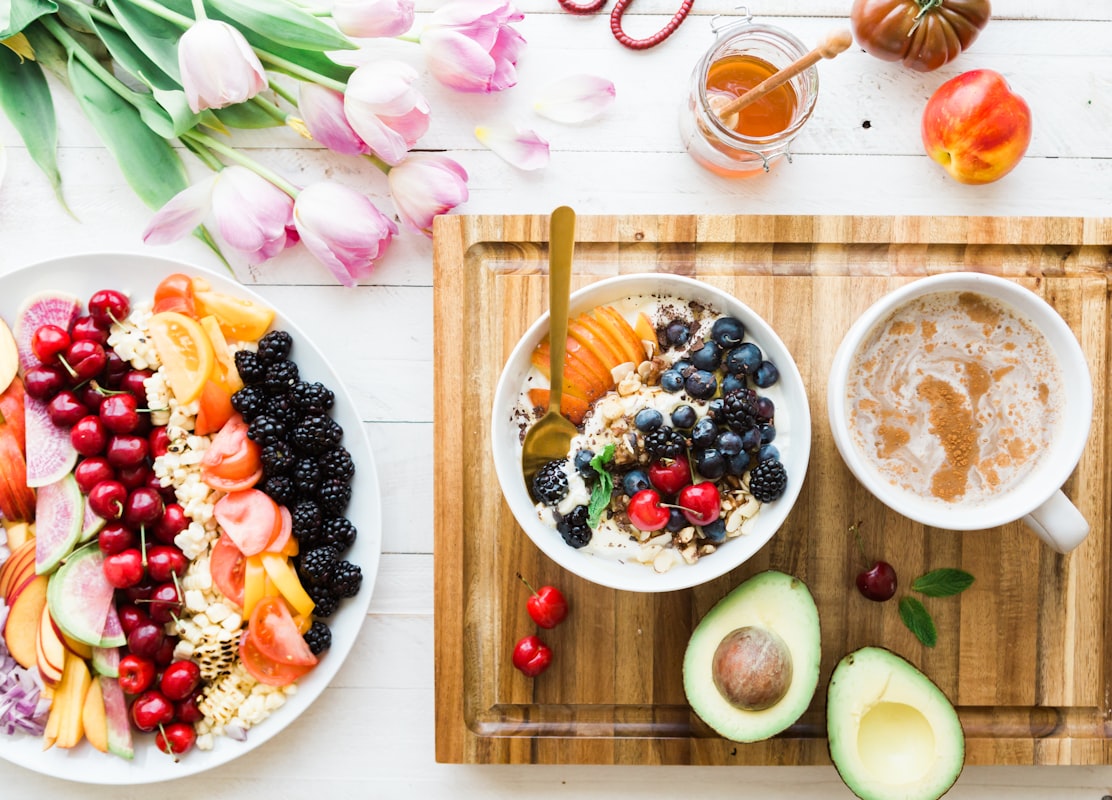
Found in fatty fish, walnuts, flaxseeds, and chia seeds, omega-3s are critical for brain structure and function. They reduce inflammation and support the production of mood-regulating neurotransmitters.
Sources: salmon, mackerel, sardines, hemp seeds, plant-based alternatives
Complex Carbohydrates
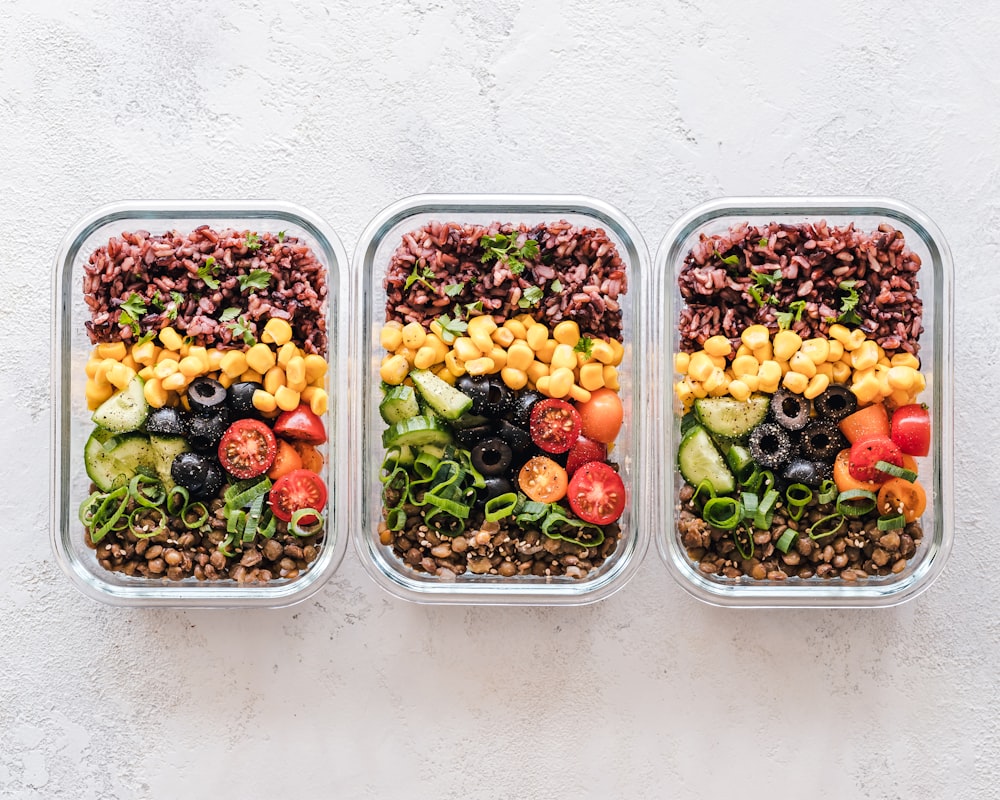
Whole grains, legumes, and starchy vegetables provide sustained energy and support serotonin production. They prevent the blood sugar crashes that trigger mood swings and fatigue.
Sources: oats, brown rice, quinoa, sweet potatoes, lentils, chickpeas

Antioxidant-Rich Foods
Berries, dark leafy greens, and colourful vegetables contain polyphenols and vitamins that protect brain cells from oxidative stress and support long-term cognitive and emotional health.
Sources: blueberries, spinach, kale, broccoli, dark chocolate, bell peppers
Your Journey to Food-Mood Awareness
Awareness: Notice Your Patterns
Start observing how different foods affect your energy, mood, and focus. Keep informal notes about what you eat and how you feel afterwards. This foundation builds genuine understanding.
Education: Learn the Science
Understand how nutrients work in your body. Knowledge about nutrient functions, food quality, and meal timing empowers you to make intentional choices aligned with your wellbeing goals.
Experimentation: Find What Works
Small, sustainable shifts matter more than radical overhauls. Experiment with adding nourishing foods, adjusting meal timing, or reducing processed options. Let your own experience guide you.
Integration: Build Lasting Habits
As you discover what nourishes both body and mind, weave these insights into everyday routines. Real transformation comes from consistent, sustainable choices you genuinely enjoy.
Thriving: Ongoing Optimisation
Food-mood awareness is an evolving practice. Continue learning, adjust as your life changes, and celebrate the improved clarity, energy, and emotional resilience you've built through intentional eating.
What Our Readers Say
"I never realised how much my afternoon mood crashes were connected to what I ate at lunch. After reading the articles here about blood sugar balance, I started choosing protein and healthy fats instead of sugar-heavy snacks. "After applying the principles from the articles, my energy levels felt more stable and I felt calmer throughout the day."—and I actually feel calmer throughout the day. The science made so much sense that it was easy to stick with the changes."
Sarah Mitchell
Manchester
"As someone who struggles with anxiety, I found the gut-brain axis explanation genuinely helpful. It gave me a whole new way to think about my diet—not as restriction or weight loss, but as genuine self-care for my mental health. The practical breakdowns of which foods support anxiety resilience have been a game-changer. I feel more in control of my wellbeing now."
James Chen
London
"I loved the evidence-based approach here—no magic claims, just honest science. The articles about omega-3s and brain health prompted me to actually add more fish and walnuts to my diet consistently. The FAQ section answered every doubt I had about whether food really matters that much. Three months in, my colleagues have even commented that I seem more focused and upbeat at work."
Eleanor Davis
Bristol
"This site finally explained why I feel completely different depending on what I eat. The connection between refined carbs and mood dips, and the benefits of whole foods, made immediate sense. I appreciated that everything is grounded in actual research and science. It's not preachy—it's genuinely informative and empowering."
Michael Thompson
Edinburgh
Frequently Asked Questions
Some people notice changes within days—particularly around energy levels and mental clarity. Others find it takes 2-4 weeks for mood stabilisation to become apparent. Much depends on the extent of dietary changes and your individual body chemistry. The key is consistency and paying attention to your own patterns rather than expecting universal timelines.
Discover the Science Behind Your Food and Mood
Dive into our collection of evidence-based articles, real reader stories, and practical insights about how nutrition shapes emotional wellbeing. Start your food-mood journey today.
Stay Updated
Subscribe to receive new articles and insights about nutrition and wellbeing delivered to your inbox.
We respect your privacy. Unsubscribe at any time.