
What You Eat Affects How You Feel
Discover the science behind nutrition and emotional wellbeing. Learn how the foods you choose shape your mental clarity, energy levels, and overall mood through the powerful brain-gut connection.
The Science Behind Nutrition and Mood
of serotonin is produced in the gut, influencing your mood and emotional balance daily.
The gut-brain axis communicates in milliseconds, making your diet an instant mood influencer.
You have one in your head and one in your gut—they're constantly talking to each other.
Most people notice improved clarity and energy within 7 days of eating whole, nutrient-dense foods.
The Brain-Gut Connection Explained
Your digestive system is far more powerful than you might think. It produces neurotransmitters—chemical messengers like serotonin, dopamine, and GABA—that directly affect your mood, focus, and emotional resilience.
When you eat nutrient-rich foods, you're feeding both your body and your mind. Conversely, processed foods and inflammatory ingredients can trigger brain fog, low mood, and energy crashes.
At Nourish Feel Thrive, we explore how simple dietary choices can transform your emotional wellbeing through evidence-based nutrition education.
Explore Food-Mood Connection
Key Features of Our Nutritional Insights
Evidence-Based Information
Every article and guide is grounded in peer-reviewed research and scientific studies. We translate complex nutrition science into practical, everyday advice.
Holistic Wellness Approach
We address nutrition alongside sleep, stress, movement, and mindfulness. True wellbeing comes from balance across all lifestyle pillars, not diet alone.
Practical Guidance
Beyond theory, we provide actionable tips, meal ideas, and real-world strategies. Implement nutrition principles that fit your life, not rigid meal plans.
Personalisation Focus
We recognise that nutrition is personal. Our content explores how individual genetics, lifestyle, preferences, and goals shape optimal food choices.
Comprehensive Resources
Access detailed guides, frequently asked questions, food mood journaling tips, and educational articles—all designed to empower your nutritional knowledge.
Transparent & Ethical
We disclose our sources, explain our methodology, and maintain clear editorial standards. Your trust is paramount—we earn it through integrity and transparency.
Foods That Boost Mood and Mental Clarity
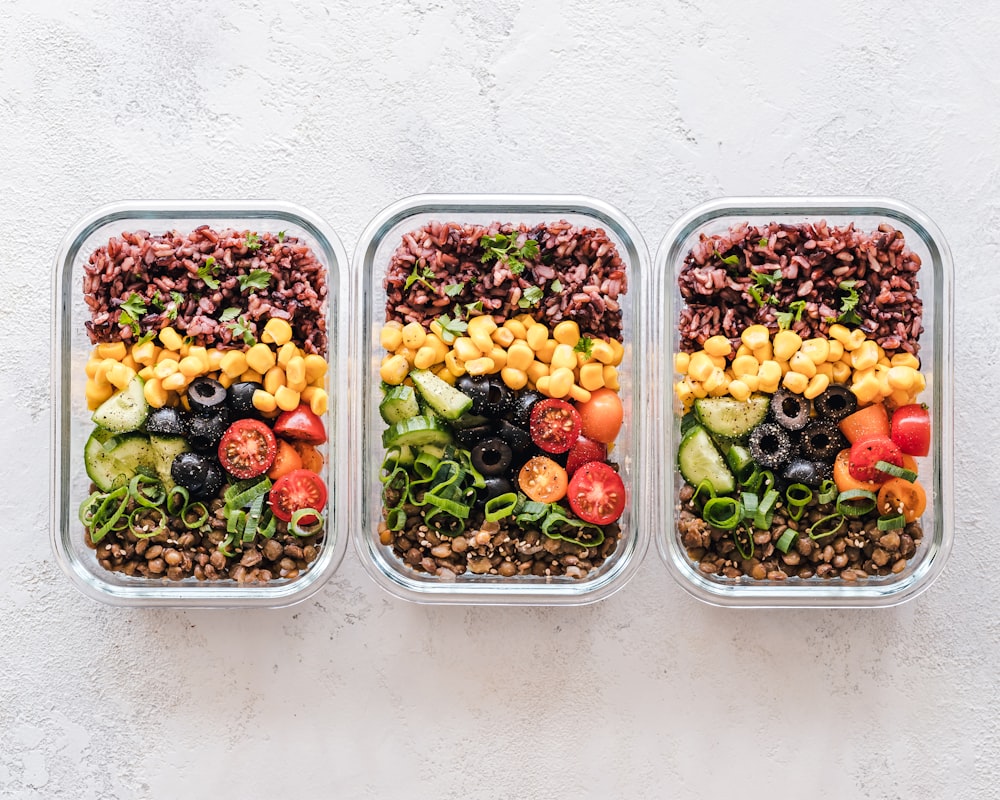
Leafy Greens & Cruciferous Vegetables
Spinach, kale, broccoli, and Brussels sprouts contain folate and B vitamins essential for dopamine and serotonin production. They also support stable blood sugar and sustained focus.
- Rich in antioxidants
- Support brain health
- Enhance mental clarity

Fatty Fish & Omega-3 Sources
Salmon, mackerel, sardines, and flaxseeds are packed with omega-3 fatty acids, crucial for brain structure and reducing inflammation. These fats are building blocks for emotional stability.
- Reduce brain inflammation
- Support mood regulation
- Improve focus and memory

Berries & Colourful Fruits
Blueberries, strawberries, and other berries contain anthocyanins and polyphenols that protect brain cells from damage. They boost mood, memory, and mental resilience.
- Powerful antioxidants
- Protect brain cells
- Improve mood instantly
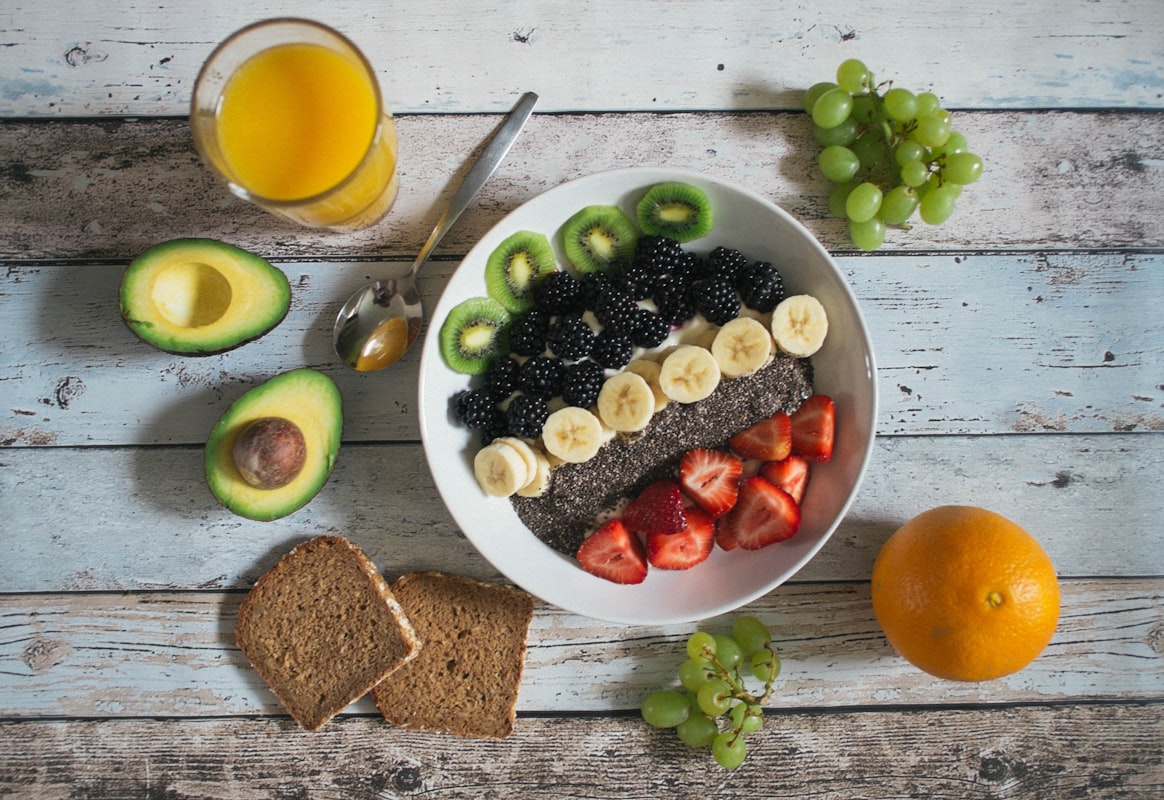
Nuts, Seeds & Wholegrains
Almonds, walnuts, sunflower seeds, and oats provide magnesium, zinc, and B vitamins. These minerals calm the nervous system and support steady energy without crashes.
- Stabilise blood sugar
- Calm the nervous system
- Sustained mental energy

Fermented & Probiotic Foods
Yogurt, kefir, sauerkraut, kimchi, and miso support gut bacteria that produce neurotransmitters. A healthy microbiome is fundamental to emotional wellbeing and digestive comfort.
- Support gut bacteria
- Enhance mood production
- Improve digestion

Dark Chocolate & Cacao
Dark chocolate (70%+ cocoa) contains phenylethylamine and serotonin precursors. A small serving elevates mood, improves blood flow to the brain, and provides antioxidant protection.
- Elevate mood naturally
- Improve blood flow
- Powerful antioxidants
Your 4-Week Journey to Better Mood Through Nutrition
Week 1: Awareness & Baseline
Start by noticing your current eating patterns and how different foods affect your mood and energy. Keep a simple food-mood journal to identify triggers. Reduce obvious inflammatory foods like excess sugar, processed snacks, and caffeine. This baseline week helps you understand your personal food-mood patterns without dramatic changes.
Focus: Observe, don't judge. Gather data about yourself.
Week 2: Add Nourishing Foods
Introduce mood-boosting foods gradually. Add leafy greens to breakfast, include fatty fish twice a week, snack on berries and nuts, and choose wholegrain options. Don't focus on restriction—focus on addition. The more nutrient-dense foods you include, the less space for inflammatory ones naturally.
Focus: Abundance mindset. Add rather than subtract.
Week 3: Gut-Brain Optimisation
Deepen your practice by including fermented foods, increasing water intake, prioritising sleep (which supports digestion), and managing stress. Add magnesium-rich foods, ensure consistent meal timing, and avoid eating too close to bedtime. Many people report noticeable mood and energy improvements by this stage.
Focus: Support your gut bacteria and nervous system.
Week 4: Sustain & Refine
By week 4, reflect on your food-mood journal. What foods make you feel vibrant? Which ones drain your energy? Create a personal nutrition framework based on your unique patterns, not generic rules. This is your foundation for long-term emotional wellbeing. The goal is sustainable, enjoyable eating that supports your mind and body.
Focus: Create your personal nutrition blueprint.
What to Expect During These 4 Weeks
Days 1-7: Initial awareness; possible detox symptoms if reducing sugar (normal and temporary)
Days 8-14: Improved sleep quality; steadier energy levels; reduced afternoon crashes
Days 15-21: Noticeable mood improvement; better focus; enhanced digestion
Days 22-28: Sustained clarity; emotional resilience; strong cravings shift towards whole foods
Remember: Individual timelines vary. Honour your body's pace.
Keep tracking: Use your food-mood journal throughout all 4 weeks.
Stay consistent: Small daily choices compound into powerful shifts.
Be flexible: This is a framework, not a rigid prescription.
Frequently Asked Questions
Most people notice initial improvements within 7-10 days, such as steadier energy and better sleep. Mood elevation typically becomes more noticeable by week 2-3. Individual timelines vary based on current eating patterns, stress levels, sleep quality, and overall health. Consistency matters more than perfection.
Absolutely. Nutrition is foundational to mental health. The gut produces 90% of serotonin and significant amounts of dopamine and GABA—all crucial neurotransmitters for mood. Brain inflammation, blood sugar imbalances, and nutritional deficiencies all directly affect emotional wellbeing, focus, and stress resilience. Nutrition is not a replacement for professional support, but it's a powerful tool for emotional stability.
Yes. The principles we discuss work across all dietary preferences. Vegetarians can get omega-3s from flax, chia, walnuts, and algae supplements. Plant-based sources of folate, B vitamins, and other nutrients are abundant. The key is choosing whole, nutrient-dense foods regardless of whether they're animal or plant-based. We respect individual dietary choices and provide inclusive information.
Nutrition is deeply personal. We provide frameworks and evidence-based information, but you apply it to your unique life. If you dislike certain foods or have restrictions, find alternatives within the same nutrient category. Don't like salmon? Try other fatty fish or plant-based omega sources. The principle is supporting your gut and brain with whole foods—the specific foods matter less than consistency and quality.
Most diet advice focuses on weight loss or aesthetics. Our approach prioritises how you feel—your mood, energy, focus, and emotional resilience. We're not about restriction; we're about abundance and feeling better in your body and mind. We emphasise whole foods, understand the science of your brain-gut connection, and help you develop a sustainable relationship with nutrition rather than following rigid rules.
Not necessarily. While some people benefit from tracking, we emphasise quality over quantity. Eating whole foods naturally regulates calorie intake and hormone balance. Tracking can be useful for awareness initially, but the goal is intuitive eating based on hunger cues, satiety, and how foods make you feel. Listen to your body—it's wiser than any formula.
What Readers Say About Our Content
"I've read so much conflicting nutrition advice online. Nourish Feel Thrive " helped me cut through the confusion and build sustainable habits that actually work for my lifestyle. The personalized approach makes all the difference!"
Sarah M.
Nutrition Coaching Client
"The wellness programs transformed how I think about food and self-care. I have more energy, better sleep, and I finally understand what 'nourish' really means."
James T.
Wellness Program Participant
"As a busy parent, I appreciated the practical, no-nonsense guidance. These aren't extreme diets—they're real strategies for real life."
Emma L.
Health Transformation Client
"Expert guidance meets genuine care. The team truly wants to see you succeed. This changed everything for me."
Michael D.
Coaching Program Graduate
Ready to Nourish Your Best Self?
Start your transformation today. Get personalized nutrition guidance, wellness coaching, and the support you need to feel truly thriving.